Call for Papers
CFP: Criminality in the Eighteenth Century
Learn MoreCollections
Collections are gatherings of posts by a variety of contributors on particular topics. Click Join Us if you are interested in curating a Collection on a topic, genre, or your area of scholarly interest.
ASECS and V21
For the 2018 American Society for Eighteenth-Century Studies (ASECS) conference program, Katarzyna Bartoszynska and Eugenia Zuroski circulated the following call for contributions to a roundtable responding to the V21 Collective ’s intervention in n...
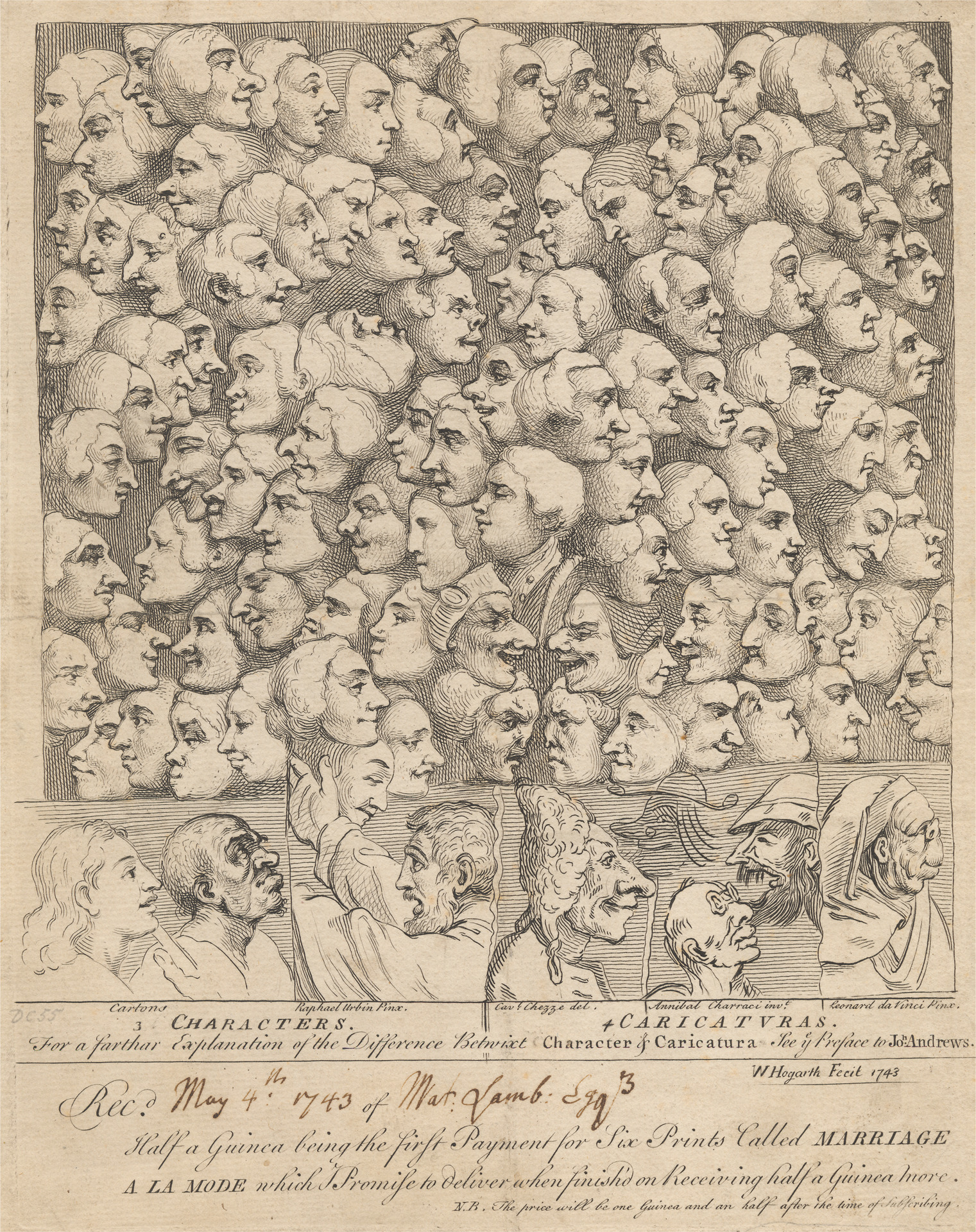
Cognitive Science and 18th-Century Studies
“This is your brain on Jane Austen…” declared the recent Stanford news description of the work of Natalie M. Phillips on fMRI brain images of graduate students reading Austen both attentively and in a more leisurely mode. The story of this resea...
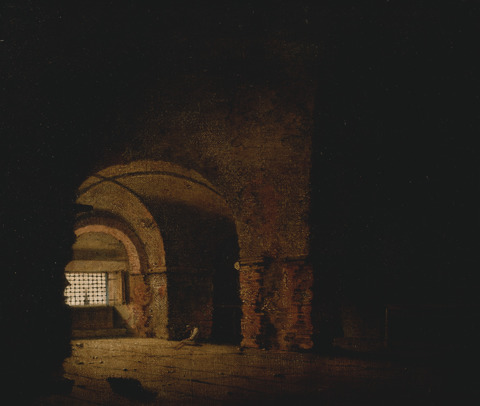
Criminality in the Eighteenth Century
This collection for The 18th -Century Common curates a series of short public humanities essays on all aspects of criminality. The eighteenth century saw increasing attention on criminal behavior, on those who violated the law, and on the array of p...

Digital Humanities and 18th-Century Studies
A wide range of eighteenth-century scholars are engaged in digital humanities projects, from digital editions of texts to born-digital journals, data visualization, mapping and more. Do you want to showcase your digital humanities project here? Contact u...
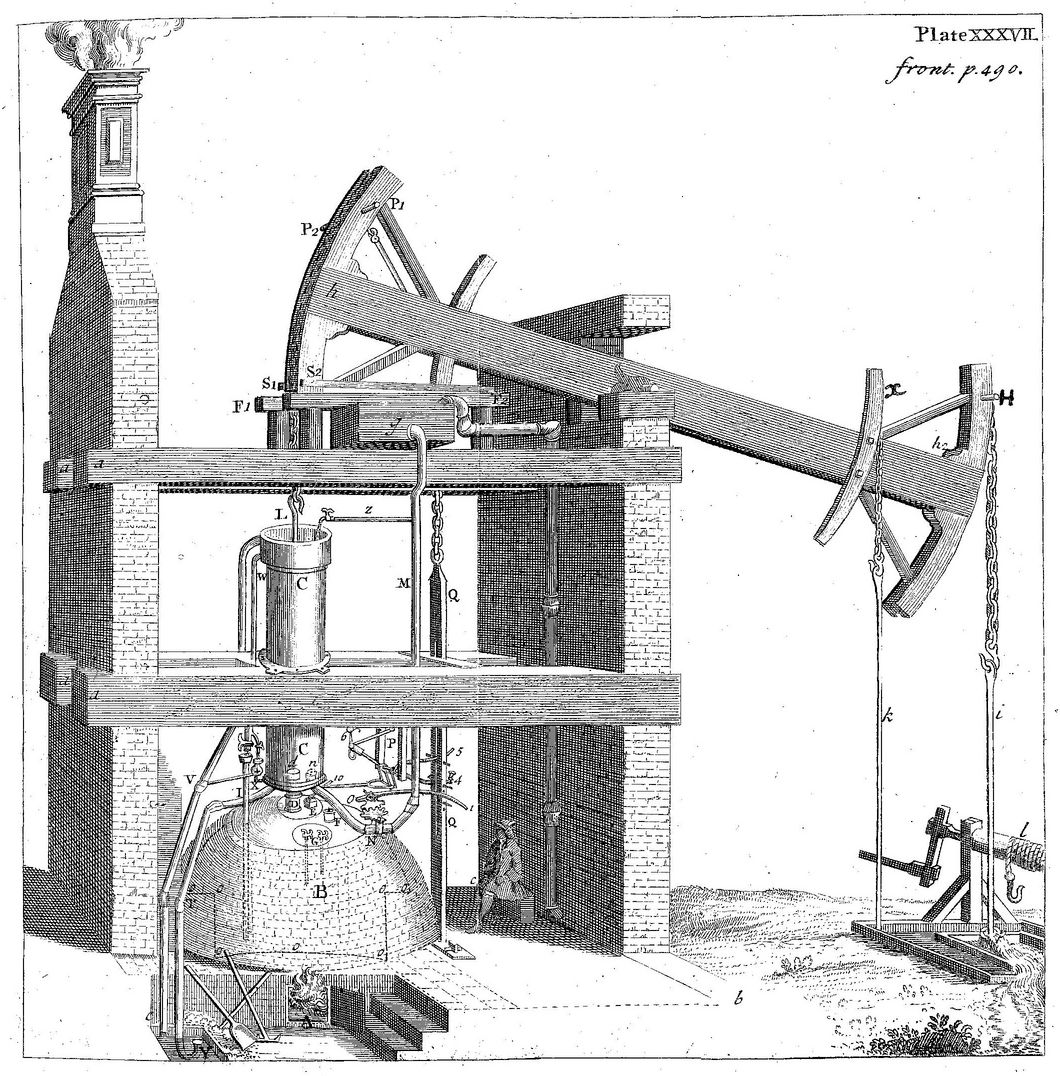
Eighteenth-Century Anthropocene Cultures
This special collection for The 18th-Century Common is Guest Edited by Kent Linthicum (Brittain Postdoctoral Fellow at the Georgia Institute of Technology).
This collection of short public humanities essays illuminates and interrogates the marks of...
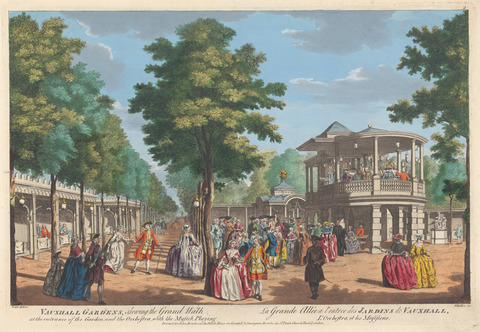
Gardens and Landscapes
From geometrically ordered flower beds and carefully shaped shrubs to irregular, supposedly "natural" winding paths, to chinoiserie-inspired oriental gardens, the eighteenth century saw a range of garden and landscape styles and theories.
Click J...
Historical Fiction Set in the 18th Century
The past two decades have seen an outpouring of historical novels that resembles the deluge that swept across Europe and North America in response to Sir Walter Scott’s best-selling Waverley series, 1814-1832. Like the followers and imitators of Scott, t...
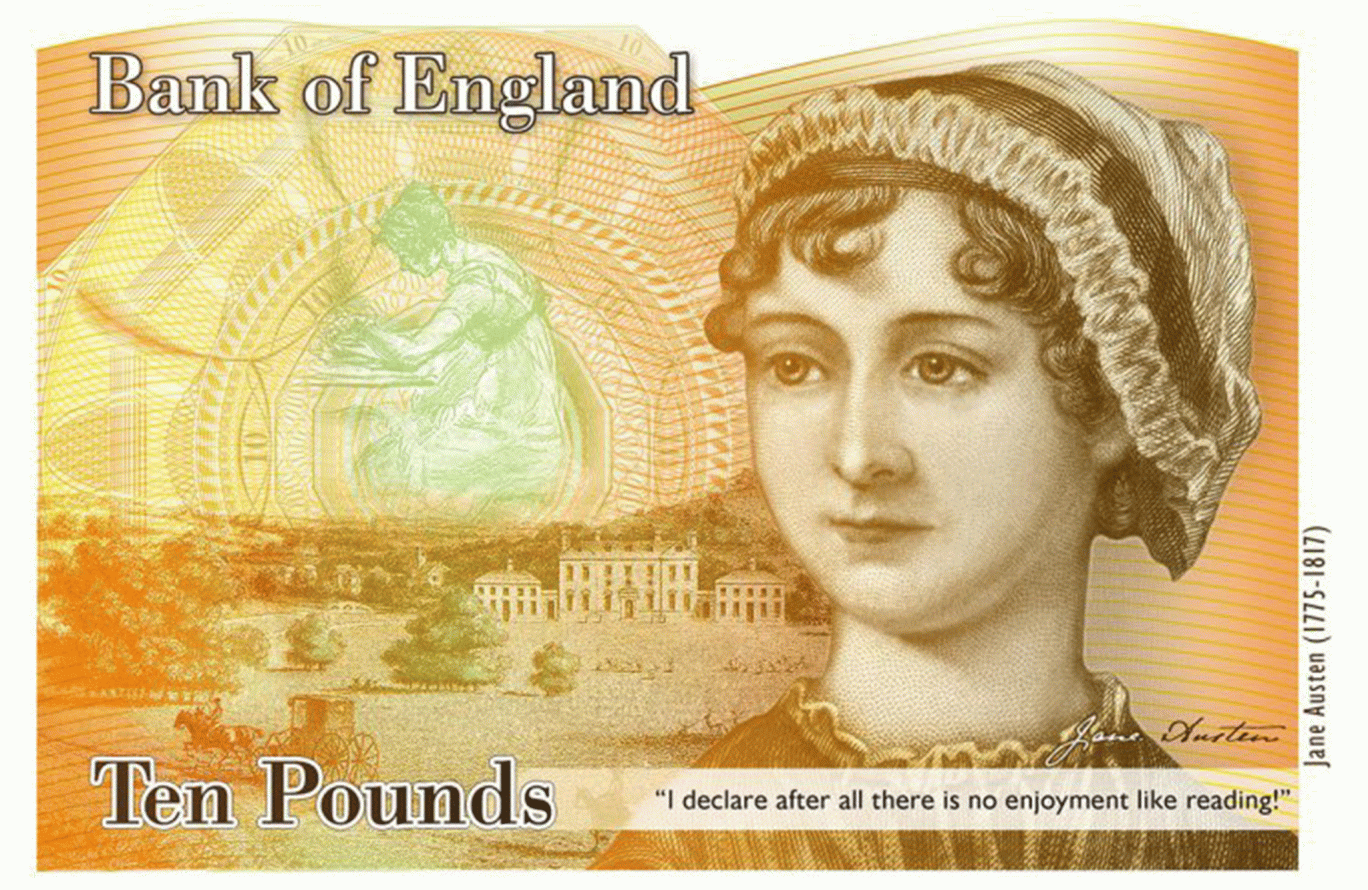
Jane Austen
Perhaps more than any figure whose work falls in the "long eighteenth century," Jane Austen is beloved by enthusiasts beyond the academy. This Collection highlights scholarship on Austen's life, times, contemporaries, and critical afterlives. It is c...
Miscellany
This Collection gathers contributions to The 18th-Century Common that do not (yet) fit into the other topical Collections.
Click Join Us if you would like to contribute work that does not fall into another Collection but would be of interest to ...
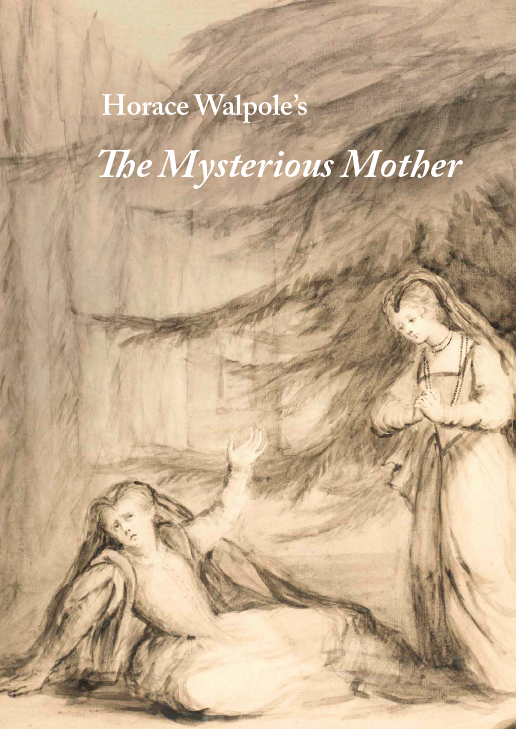
Staging The Mysterious Mother
Staging The Mysterious Mother -- Misty Gale Anderson
As part of Yale’s Lewis Walpole Library “Walpolooza ,” a year-long celebration of Horace Walpole’s work and influence in 2018, I had the pleasure to direct The Mysterious Mother , his gothi...
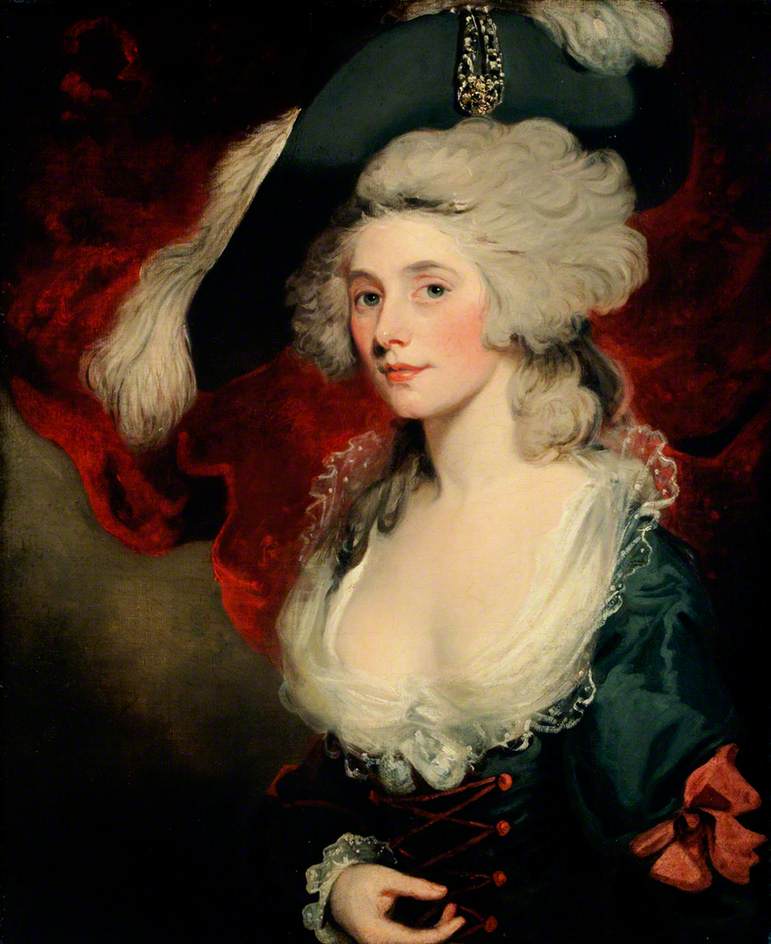
Women's Lives in the 18th Century
This Collection gathers a wide range of scholarly work on women's lives in eighteenth-century history, literature, art, and culture. Click Join Us if you would like to contribute to this Collection.
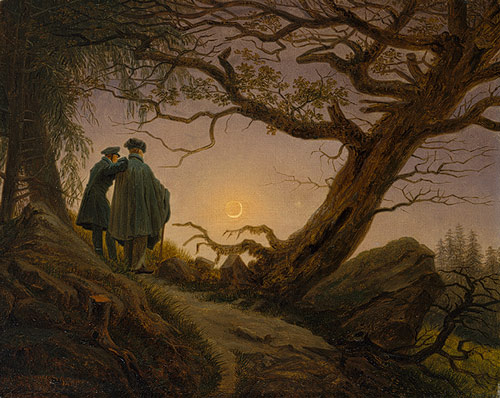
The Age of Wonder
Scholars and Students Respond to Richard Holmes’ The Age of Wonder
Richard Holmes’ popular book The Age of Wonder: How the Romantic Generation Discovered the Beauty and Terror of Science (Knopf, 2009) captured the imagination of the nonacademic reader...
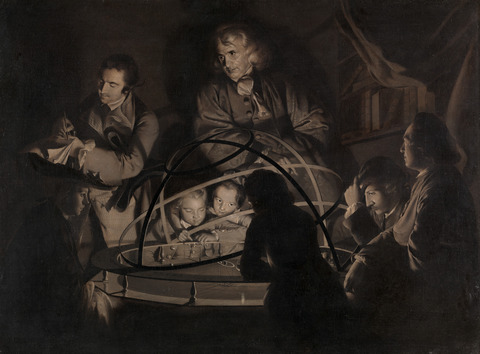
Science and the Arts in the Long 18th Century
This Collection gathers accounts of scholarly work exploring the connections among literature, science, and the arts in the long 18th century. Click Join Us if you would like to contribute to this Collection.